




About AfPA

Founded in 2006, the Alliance for Patient Access, or AfPA, is a 501(c)(4) organization of policy-minded clinicians and patient advocates who champion patient-centered care. In 2012, AfPA established the Institute for Patient Access, or IfPA, a related 501(c)(3) nonprofit corporation. IfPA sponsors policy research and educational programming to promote a deeper understanding of the benefits of the clinician-patient relationship in the provision of quality health care.

Our Why

Since 2006, the clinicians who make up the Alliance for Patient Access have prioritized patient-centered care. Members from across the country advocate for policies that:

Support clinical decision making. Better health outcomes occur when clinicians and patients—not insurers—make treatment decisions.
Limit abusive utilization management techniques. These practices create unnecessary administrative burden, drive up costs and delay sick patients from accessing treatment.
Acknowledge each person’s individual health care needs. Tailored treatment is paramount to better health outcomes.

Clinicians and advocates can participate by:

Joining a working group or coalition

Engaging in advocacy initiatives

Contributing to educational materials

Conveying the benefits of patient-centered care to policymakers

Get Involved

Every day, health policy decisions are made that impact patients and clinicians across the country. Make your voice heard: advocate for patient-centered care.

Annual Reports

Principles of Patient-Centered Care

The Alliance for Patient Access’ advocacy and leadership stem from three core ideals, which underscore the organization’s vision of patient-centered care.

Principle 01

Access

Utilization management practices like prior authorization, step therapy and non-medical switching should not impact access to treatment, undermine patient-centered care, nor should they override clinician-patient decision making.

Value

Determining the value of a medication or medical intervention requires input from patients, clinicians, payers and manufacturers. Value varies based on patients’ unique circumstances and should not dictate coverage. It should be driven by clinician-patient decision making and professional society guidelines.

The Clinician-Patient Relationship

Trust yields better health outcomes. A strong clinician-patient relationship supports optimal care and improves adherence to treatment. Restrictive policies should not drive a wedge between clinicians and patients but rather reinforce the dynamic.

Leadership

Chief Medical Officer

David Charles, MD

Nashville, TN

AfPA is led by founding member and Chief Medical Officer David Charles, MD, Professor and Vice Chair of Neurology and Medical Director of Telehealth at Vanderbilt University Medical Center. Dr. Charles has served as a health policy fellow on the staff of the U.S. Senate Subcommittee for Public Health and Safety. Following this experience in Washington, he conducted Parkinson’s disease research in France as a Fulbright Senior Scholar and is a national leader in movement disorders research.

Executive Director

Josie Cooper

Washington, DC

Josie Cooper is executive director of the Alliance for Patient Access (AfPA), where she has spent the past six years leading the organization’s efforts to advance timely, affordable access to care. Under her leadership, AfPA has significantly expanded its footprint, growing a national network of clinician working groups and advocacy coalitions that span more than a dozen disease areas and engage stakeholders at both the state and federal level.

Ms. Cooper oversees AfPA’s advocacy on policies that impact patient access to care, from utilization management reform and insurance cost-sharing practices to policies shaping the future of medical innovation. Prior to leading AfPA, Ms. Cooper worked in grassroots mobilization and public affairs at the state and national level, including on presidential, Senate, and congressional campaigns. She lives in Washington, DC with her husband Sam and their son Ford.

Board of Directors

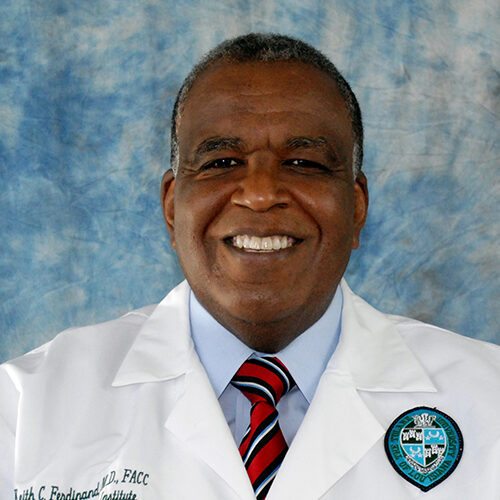
Keith C. Ferdinand, MD

Dr. Ferdinand is a professor of medicine at the Tulane University School of Medicine. He received his medical degree from the Howard University College of Medicine in Washington, DC. and is board-certified in internal medicine, cardiovascular disease and a specialist in clinical hypertension. He is a member of the Association of University Cardiologists and chief science officer of the Association of Black Cardiologists.

He has conducted numerous trials in hypertension lipids, cardiometabolic risk and cardiovascular disease, particularly in racial/ethnic minority populations. He has over 350 peer-reviewed publications and lectures nationally and internationally. His activities in the community that work to eliminate disparities include his position as president of the Healthy Heart Community Prevention Project in New Orleans, a non-profit with decades of community-based screening and education. He currently serves as Vice Chair of the 2025 AHA/ACC High Blood Guideline.

Dr. Ferdinand has received numerous honors including from the American Heart Association and the American College of Cardiology.

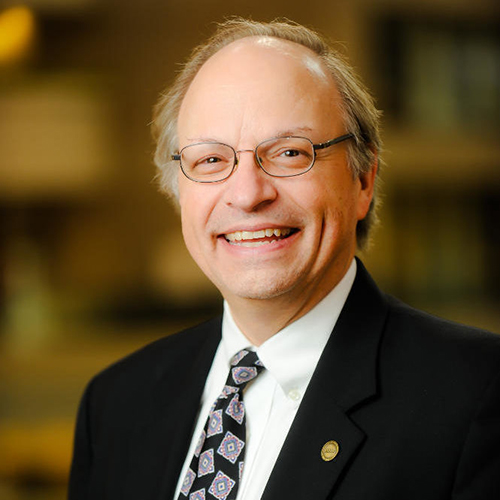
Calli Cook, DNP, FNP-C

Calli Cook, DNP, FNP-C, is a Clinical Assistant Professor at the Emory University Nell Hodgson Woodruff School of Nursing and practices as a family nurse practitioner at the Emory Brain Health Center.  Calli’s work has focused on improving quality in neurology.   She has worked to reduce unnecessary imaging in patients with primary headache syndromes and served on the national quality measures task force for headache medicine.

In addition to her focus on quality improvement in neurology, Calli serves as the Chair of the Consortium of Neurology Advanced Practice Providers. While serving in this role, she has improved professional and education development of neurology APPs through a free web-based neurology toolkit. Calli is committed to the role of neuroscience APP and has worked to improve both patient care and APP role satisfaction through excellence in clinical practice.

Allen Meadows, MD

Allen Meadows, MD, is Clinical Instructor of Internal Medicine and Clinical Instructor of Family Practice at the University of Alabama, Birmingham, and a solo community-based practitioner at the Alabama Allergy & Asthma Clinic in Montgomery, Alabama. He is Chairman of the Advocacy Council of the ACAAI and past president of the JCAAI.

Dr. Meadows served as President of the Alabama Society of Allergy and Immunology, 1995-96, and as President of the Medical Society of Montgomery County in 1999. He was a member of the Board of Censors of Medical Association State of Alabama, 2002-2004, and on Alabama Board of Medical Examiners, 2002-2004.

Dr. Meadows also serves as Chairman of AfPA’s Respiratory Therapy Access Working Group.

Wesley Mizutani, MD

Wesley Mizutani, MD, is a practicing rheumatologist who also serves as Assistant Clinical Professor of Medicine at the University of California, San Diego School of Medicine.

Dr. Mizutani received his undergraduate degree from the University of Southern California. He earned his medical degree from University of California Los Angeles, and he completed his internship and residency in internal medicine at Los Angeles County-USC Medical Center. Dr. Mizutani was also the recipient of a fellowship in rheumatology from the University of California, San Diego.

After hours, he enjoys running.

Bruce Rubin, MD

Bruce Rubin, MD, is an Assistant Professor of Clinical Neurology at the University of Miami Miller School Of Medicine.

Dr. Rubin received his Bachelor of Science degree from Hobart College and his Doctor of Medicine degree from State University of New York Health Science Center at Syracuse. He completed his neurological residency at the Neurologic Institute at Columbia Presbyterian Medical Center in New York and his post-doctoral fellowship at the University of Miami School of Medicine.

Dr. Rubin has lectured nationally and published articles in several scientific journals. He is a member of the American Academy of Neurology, American Society of Neurorehabilitation and Brain Injury Association of Florida. He is chairman of the Florida Chapter of the Alliance for Patient Access.

Jack Schim, MD

Jack Schim, MD, is Voluntary Assistant Clinical Professor in the Neuroscience Department at University of California San Diego and is on staff at the VA Medical Center in La Jolla.

Dr. Schim earned his medical degree from University of California San Diego Medical School, served as a medical intern at Cedars Sinai Medical Center and completed his neurology residency at University of California San Diego. He is past president of the Association of California Neurologists and an active member of the American Academy of Neurology, American Stroke Association and American Headache Society.

Dr. Schim is board certified in neurology and certified in headache medicine by the United Council of Neurologic Subspecialties. He has published articles in numerous medical journals.


Associate Membership in AfPA

AfPA members are policy-minded health care providers who advocate for patient-centered care. Non-physicians, including corporations and associations, participate in AfPA as associate members. AfPA’s associate members pay annual dues and are invited to attend regular associate member briefings. AfPA also receives support through sponsorships, grants and gifts.

Associate Members and Financial Supporters

Financial support of AfPA and IfPA is acknowledged here: